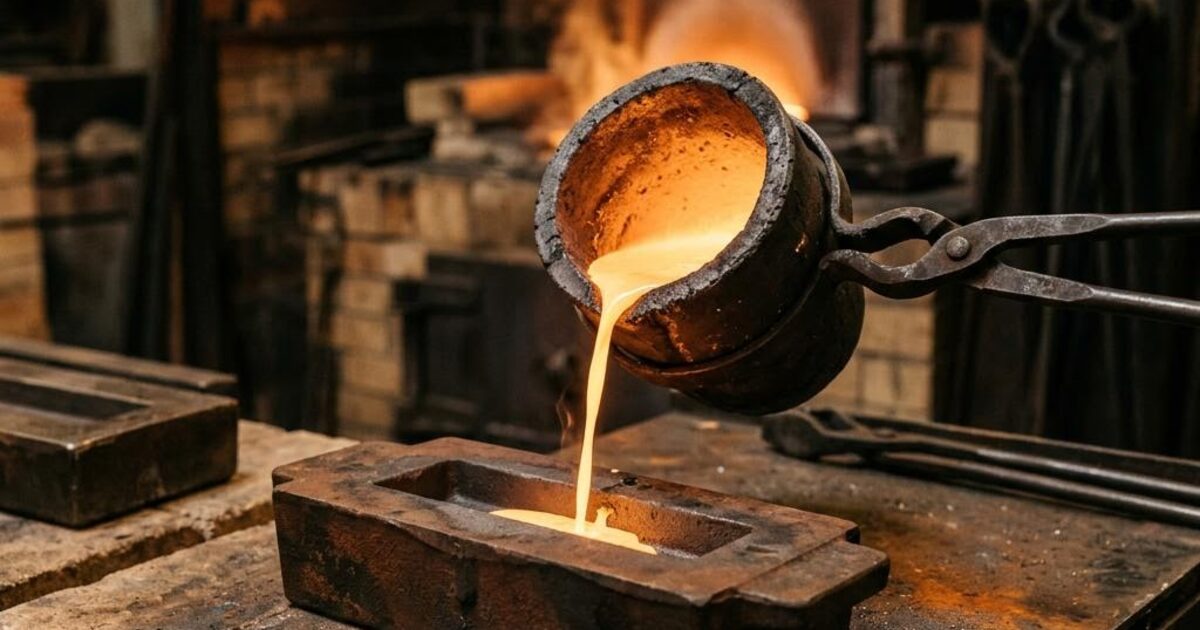
A high price can encourage more production, but a gold mine cannot expand as quickly as a price quote can change. Recycling can react faster, yet it also depends on owners' preferences and local market conditions. Looking at both sources helps explain why a simple claim that expensive gold will immediately bring unlimited supply to market is incomplete.
The latest quarterly figures used here are not October figures
The World Gold Council's supply report published July 30 covers the second quarter of 2026, with data through June 30. It put mine production at approximately 966 tonnes, up 2% from a year earlier. Recycled gold was approximately 326 tonnes, down 6% year over year. Total supply was roughly unchanged at 1,269 tonnes after accounting for the report's other supply components.
These numbers are a dated structural reference, not a claim about production this week. They also show why adding only the mining and recycling headlines can be misleading: producer hedging and de-hedging affect the full accounting. Revisions to historical estimates are another reason to consult the report rather than rely on a rounded statistic repeated without context.
Mining responds slowly
Finding deposits, obtaining permissions, financing construction, and bringing capacity online can take years. Existing mines also face changing ore grades, maintenance, labor, and energy costs. Higher prices can improve the economics of a project without making its output available immediately. Conversely, a profitable existing mine does not necessarily stop operating after one weak week.
Recycling is quicker, but not automatic
Owners decide whether to sell jewelry, coins, and other metal based on more than price. Sentimental value, household needs, replacement costs, and expectations can all matter. The Council's Q2 report recorded lower recycling despite meaningful gold prices and discussed regional differences. A global average should not be presented as proof of what every Connecticut household is doing.
- A stronger recycling response could add supply during a sustained price rise.
- Weak recycling can offset part of an increase in mine output.
- Short-term prices can still be dominated by investment flows and policy expectations.
- Mining costs are not a guaranteed minimum trading price for gold.
Your sale is not automatically a recycling transaction
A wearable signed bracelet may have a resale route; an uncommon coin may have collector demand. Those items should not be reduced to a generic supply statistic before they are identified. A careful evaluation distinguishes metal-only pieces from items whose condition, maker, or rarity could add value beyond their gold content.
Editorial note — researched October 23, 2026. Dated market figures are snapshots, not a live feed or a purchase offer. Forward-looking scenarios are analysis, not guarantees or personalized investment advice. Check a fresh quote before making a decision.
If you are considering selling unwanted gold, Gold Buyers Connecticut can identify which pieces have metal value and which deserve a separate resale or collectible assessment.